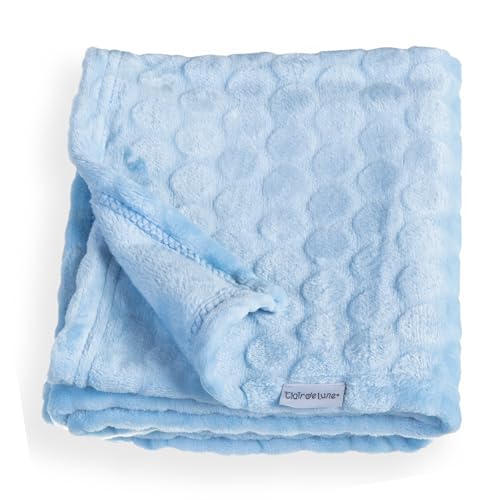
selecting the ideal wool blanket for eco friendly living
In a world increasingly focused on sustainability, selecting the right wool blanket is key to enhancing your eco friendly home. Wool blankets not only offer warmth and comfort but also contribute to a more sustainable lifestyle. Here, we will explore essential factors to consider when choosing your ideal wool blanket.
Understanding the Benefits of Wool
Wool is a natural fibre that is biodegradable and renewable, making it an excellent choice for eco friendly living. Unlike synthetic materials, which can take hundreds of years to decompose, wool will naturally break down over time, enriching the soil. Furthermore, wool possesses excellent thermal insulation properties, keeping you warm without the need for excessive heating.
Look for Sustainable Sourcing
When selecting a wool blanket, it is crucial to consider the sourcing of the wool. Opt for products that are made from ethically sourced wool, preferably from farms that practice sustainable farming methods. Certifications such as the Responsible Wool Standard can help ensure that the wool used has been obtained responsibly, with respect for animal welfare and land management practices.
People Also Look For:
- Molithe 100% Wool Blanket - 62 x 86 in, Warm and Washable, Carbon Black
- Emma Barclay Herringbone Recycled Cotton Throw Blanket, 70x100 cm, Natural
- Cosy Warm Grey Tartan Check Sofa Throw Blanket, 150 x 200 cm
- Paoletti Empress Faux Fur Throw, 140x200cm, Rust
- Personalised Baby Blanket, Custom Soft Flannel, Gifts for Baby Shower
Check for Natural Dyes
The colour and design of your wool blanket can greatly affect its appeal. However, many conventional dyeing processes involve harmful chemicals that can be detrimental to both the environment and human health. Seek blankets dyed with natural, non-toxic dyes derived from plants, minerals, or insects. This not only ensures a safer product but also supports eco friendly practices within the textile industry.
Evaluate the Quality of the Wool
The quality of the wool used in your blanket is paramount. Look for blankets made from high-quality fibres like Merino or Shetland wool. Merino wool is known for its softness and warmth while Shetland wool is durable and water-resistant. High-quality wool will last longer, reducing the need for replacement and thus minimizing waste.
Consider the Manufacturing Process
The environmental impact of manufacturing should also be a consideration in your purchasing decision. Look for brands that employ sustainable practices throughout their production process. This includes using eco friendly packaging and reducing water and energy usage. Some companies even focus on local production to lower their carbon footprint.
Choose the Right Size and Weight
Wool blankets come in various sizes and weights, which can influence their functionality and comfort. Decide where and how you plan to use the blanket. A lightweight wool throw is perfect for draping over furniture or taking on picnics, while heavier blankets are ideal for keeping cosy on cold winter nights. Consider the dimensions of your bed or sofa to ensure you select a size that fits well.
Maintain Your Wool Blanket
Investing in a quality wool blanket also means being mindful of its care. Wool is naturally resistant to odours and stains, simplifying maintenance. However, it is essential to wash it correctly to prolong its life. Use a gentle cycle with cold water and a specially formulated wool detergent. Air drying is recommended to preserve the blanket’s shape and texture.
Explore Local Artisans
Supporting local artisans who create handmade wool blankets can significantly reduce your carbon footprint. Check out local markets or craft fairs where you may find unique pieces that not only look beautiful but are also made with care and attention to detail. Purchasing locally helps sustain your community and promotes traditional craftsmanship.