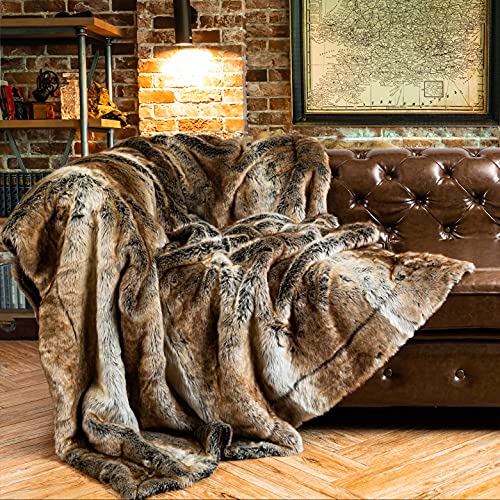
wool blankets vs synthetic options which is better for warmth
When selecting a blanket for those chilly nights, the choice often comes down to two main contenders: wool blankets and synthetic options. Both have their merits, but when it comes to warmth, the differences can be quite significant. In this article, we will explore the properties of each type of blanket to help you make an informed decision.
Understanding Wool Blankets
Wool blankets have been cherished for centuries due to their remarkable insulating properties. Made from the fleece of sheep, wool is a natural fibre known for its ability to trap heat while remaining breathable. This unique combination ensures that you stay warm without overheating, making wool blankets an excellent choice for various climates.
Insulation and Warmth
The insulating ability of wool is due to its crimped structure, which creates air pockets that trap warmth. Wool can absorb moisture without feeling wet, allowing it to maintain its insulating properties even in damp conditions. Additionally, wool is a natural temperature regulator, meaning it can help keep you warm during cold spells while also remaining comfortable when temperatures rise.
People Also Look For:
- Soft Cotton Cellular Shawl Baby Pram Blanket, White
- Eco-Friendly Grocery Bag Dog Wrapped in Blanket Shopping Bag
- Herringbone Faux Cashmere Throw Blanket - Purple, 127x152 cm
- KikaWord Thin Baby Blanket, Cotton Cellular Blanket, 85x85cm, Bear
- Fleece Throw Blanket for Sofa - Beige, Soft Cozy, 130x150 cm
Exploring Synthetic Blankets
Synthetic blankets, often made from materials like polyester or acrylic, offer a different set of advantages. These blankets are typically lightweight, easy to clean, and more affordable than their wool counterparts. However, they do not possess the same level of natural insulation as wool. While many synthetic options claim to provide warmth, they often trap heat differently, potentially leading to discomfort in varying temperatures.
Moisture Management
One of the standout features of wool is its moisture-wicking capability. Wool fibres can absorb a significant amount of moisture—up to 30 per cent of their weight—without feeling damp. This property helps keep you dry and warm, which is essential for staying comfortable during cold nights. In contrast, synthetic materials tend to trap moisture against the skin, which can lead to a clammy feeling and reduced warmth.
Durability and Maintenance
Wool blankets are known for their longevity. With proper care, a high-quality wool blanket can last for decades. They are naturally resistant to dirt and odours, requiring less frequent washing than synthetic blankets. However, when they do need cleaning, wool blankets typically require special care, such as hand washing or dry cleaning, to maintain their shape and texture.
Cost Considerations
When it comes to cost, synthetic blankets often win due to their lower price point. However, investing in a high-quality wool blanket can be seen as a long-term investment. While the initial cost may be higher, the durability and warmth they provide can save money in the long run, especially during the colder months when heating bills can add up.
Personal Preference and Usage
Your choice between wool and synthetic blankets may ultimately come down to personal preference and specific usage. For those who prioritise natural materials and superior warmth, wool blankets are hard to beat. They are ideal for snuggling up on a cold winter evening or for outdoor activities where warmth is paramount. On the other hand, if you seek a lightweight, budget-friendly option for occasional use, synthetic blankets may suit your needs well.
Environmental Impact
Another factor to consider is the environmental impact of your choice. Wool is a renewable resource, and when sourced responsibly, it can be an eco-friendly choice. Conversely, synthetic materials are derived from petrochemicals and may contribute to pollution and waste. If sustainability is important to you, opting for wool can align better with your values.